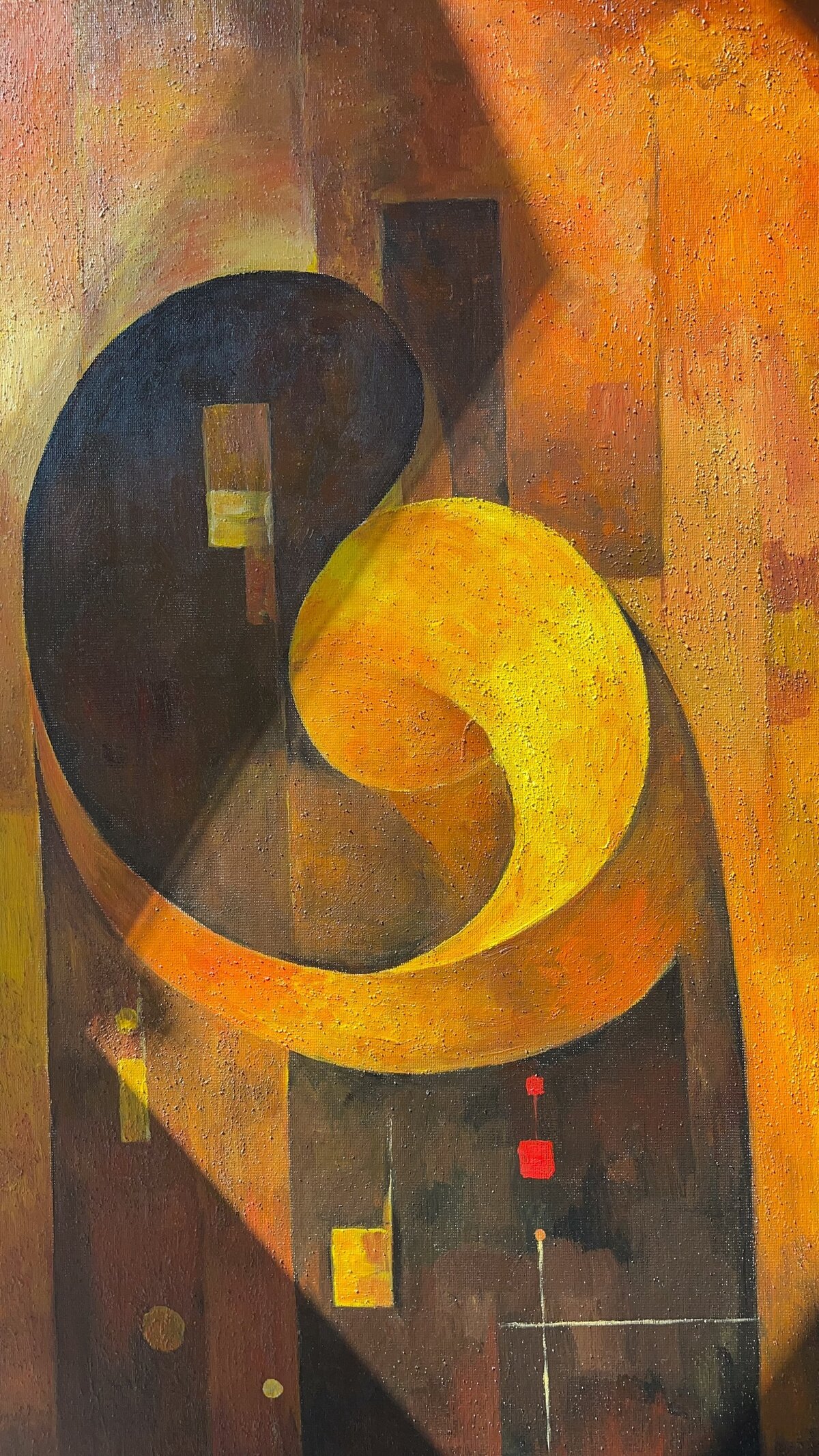
An oil painting is one of the most durable objects in your home — museums hold canvases that have survived five centuries of wars, floods and fashion. But durability isn’t invincibility. Almost all damage to paintings in homes comes from a short list of avoidable causes. Here is the whole routine, which takes less effort than keeping a houseplant alive.
Light: the one real enemy
Ultraviolet light fades pigments and embrittles varnish, and it accumulates silently. Hang originals out of direct sunlight — a wall that receives sun for part of the day is fine for prints, not for the real thing. In a bright room, choose the wall the sun doesn’t strike, or use UV-filtering window film. Ordinary indoor lighting, including picture lights, is safe at normal intensities.
Heat, steam, and smoke
Oil paint dislikes extremes more than it dislikes any single condition. Keep paintings away from working fireplaces (soot and heat cycling), radiators, and the wall directly above a frequently used stove. Bathrooms with showers are a poor choice — repeated steam cycles work moisture into the canvas from the back. A normal living room, bedroom, hallway or study is exactly the climate a painting wants: the same one you do.
Dusting: dry, soft, rarely
Dust with a dry, soft natural-bristle brush or a clean microfiber cloth, a few times a year, working gently in one direction. That’s the entire cleaning routine. Never use water, sprays, solvents, or “furniture polish” on the surface — household cleaners can soften varnish and lift paint at the edges of cracks. If a painting ever needs real cleaning — ingrained grime, a spill, damage — that’s a conservator’s job, and a good one will do less than you fear and charge less than a replacement.
Handling and the back of the canvas
Move a painting with two hands on the frame or stretcher sides, never by the top bar alone, and never press on the canvas front or back — stretched canvas gives under a thumb and can crack the paint film in a star pattern. When you hang it, two hooks beat one for any wide work: the painting stays level and the weight spreads. Felt pads on the bottom corners keep it off the wall slightly, which lets air circulate behind it — the cheapest mold prevention there is.
What to do if something goes wrong
Small accidents are usually repairable by a conservator: corner bumps, a dented canvas (often reversible from the back), surface scuffs. Photograph the damage, don’t attempt a home repair with glue or paint, and ask the studio you bought from for a conservator recommendation — studios keep those names. Every Jinia original is painted in oils built up in durable layers on canvas; treated by the rules above, it should outlive its frame, its wall, and — handled with the certificate kept safe — pass to the next generation in the same glowing condition it arrived.
Questions about a specific work’s care are always welcome through the contact page — the studio answers personally.